
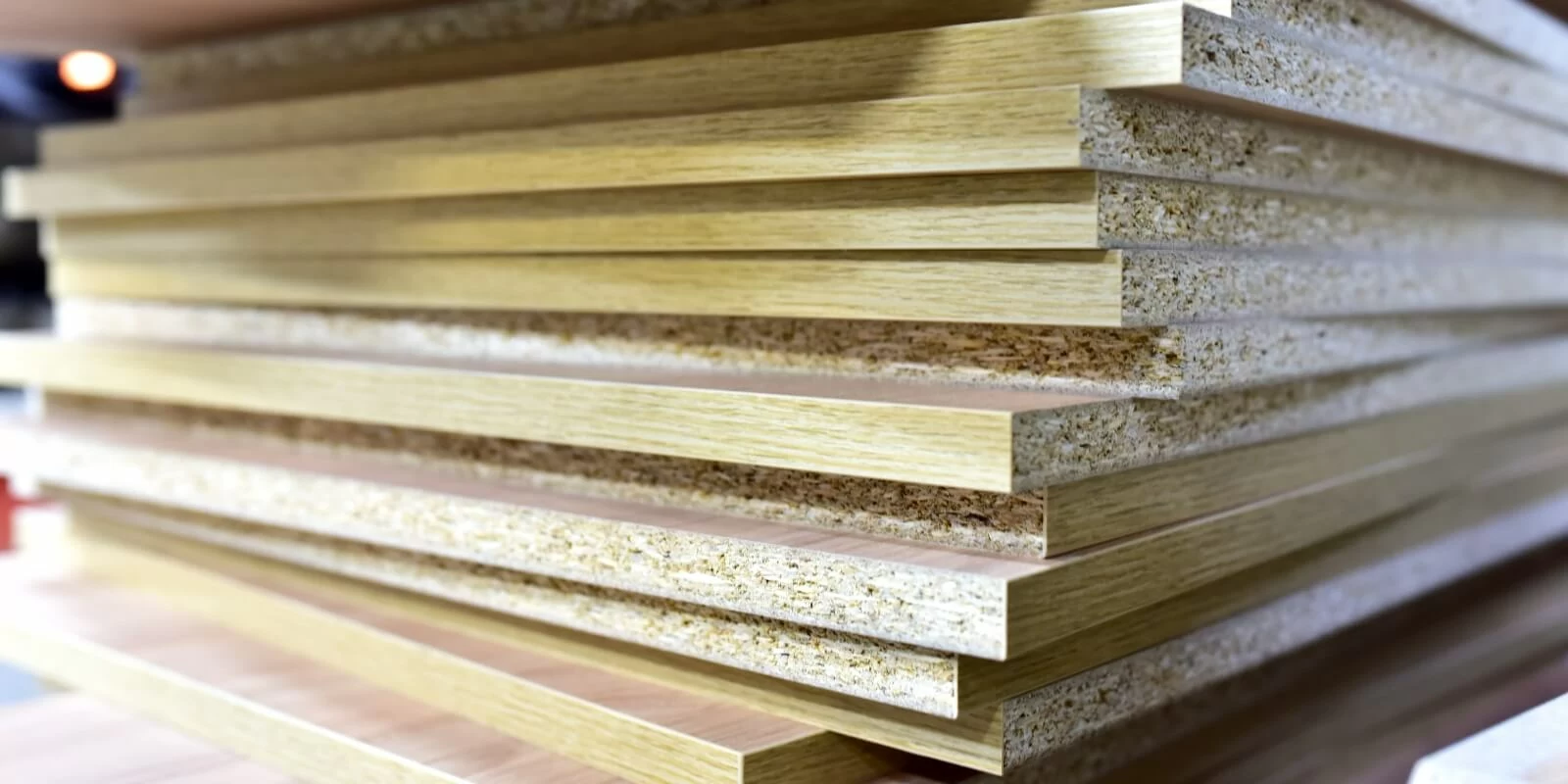
When it comes to modern furniture and interior design, particle boards are a cost-effective and versatile option. From wardrobes and cabinets to office tables and kitchen storage, they offer a smooth finish and are easy to work with. However, not all particle boards are created equal. The market is full of options, and if you’re not careful, you might end up buying a low-quality board that won’t last long. So, how do you make sure you’re getting a high-quality particle board and not a cheap substitute?
The first thing to check is density. Good quality particle boards are denser and heavier because they are manufactured using more wood particles and stronger adhesive resins. If the board feels unusually light, it could indicate fewer wood particles and weaker bonding, which can lead to sagging and breakage over time.
Next, inspect the surface finish. A high-quality particle board will have a smooth, even surface without visible gaps, bumps, or rough patches. This is especially important if you’re buying prelaminated boards, as a poor finish can cause peeling or bubbling of the laminate over time.
Another key factor is edge strength. In cheap particle boards, the edges tend to chip or crumble easily, especially during cutting or drilling. A well-manufactured board will have strong, compact edges that can withstand carpentry work without falling apart. Ask your supplier to show you a sample and test the edges by light tapping or scratching.
Moisture resistance is also an important quality marker. While standard particle boards aren’t fully waterproof, high-quality ones are treated to resist swelling when exposed to humidity. This is crucial in regions like Kerala, where moisture levels are higher. A good tip is to check for boards specifically labelled as moisture-resistant if you plan to use them in kitchens, bathrooms, or coastal areas.
The supplier’s credibility can make a huge difference. Reputed dealers and manufacturers often maintain strict quality standards. Choosing well-known and reliable Kerala Particle Board Suppliers ensures that you’re getting boards from trusted brands rather than low-cost, unverified sources. Many suppliers even provide certification or product details that confirm the manufacturing standards and density levels of their boards.
You should also consider the intended use of the board. If you need it for shelving heavy items or making furniture that will see a lot of wear and tear, go for thicker boards (18mm or above) and ensure they are correctly reinforced. For lightweight use, thinner boards may be fine, but they should still be of good quality.
Finally, compare prices—but don’t make the mistake of buying purely based on the lowest cost. Cheap particle boards may seem like a bargain initially, but they can warp, crack, or lose strength within a short period, leading to costly repairs or replacements. In the long run, investing in durable, high-quality boards from trusted Kerala Particle Board Suppliers in Kerala will save you money and frustration.
In summary, to ensure you’re buying a good quality particle board and not a cheap one, check for density, surface finish, strong edges, moisture resistance, and the credibility of your supplier. Always remember that the Best Particle Boards in Kerala combine durability, aesthetics, and value for money—making them the wise choice for long-lasting furniture and interiors.